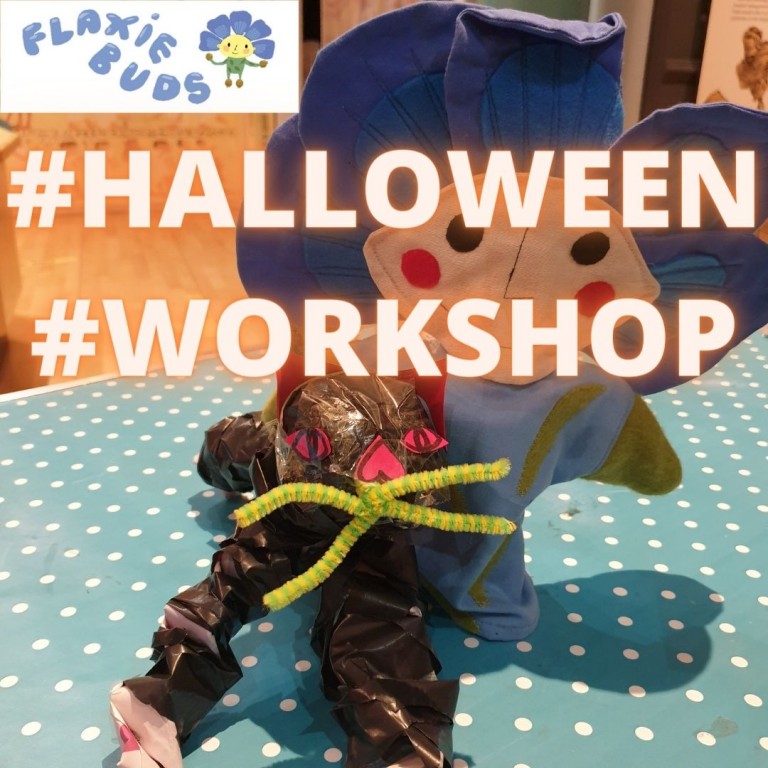
Video: Flaxie Buds Halloween Workshop – Paper Plate Pumpkin!
Video: Flaxie Buds Halloween Workshop – Paper Plate Pumpkin! Read More »
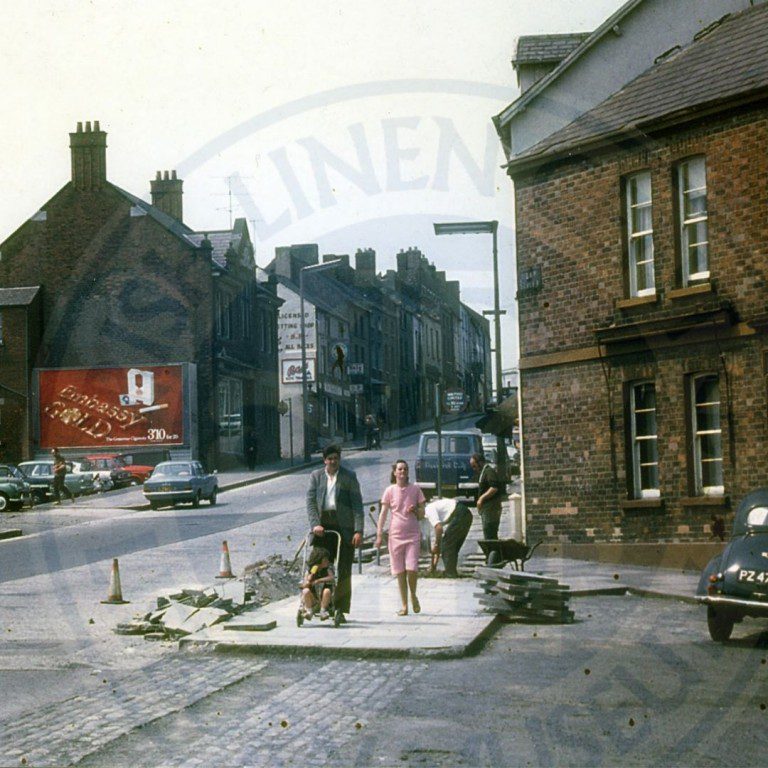
Historic Photo: Quay Street, c1970s This historic photo of Lisburn was taken at Hancock Street, Co. Down, looking across to Quay Street. Note the distinctive skyline of the cathedral and Assembly Room clocktower. Castle Gardens is overgrown!
Historic Photo: Quay Street, c1970s Read More »
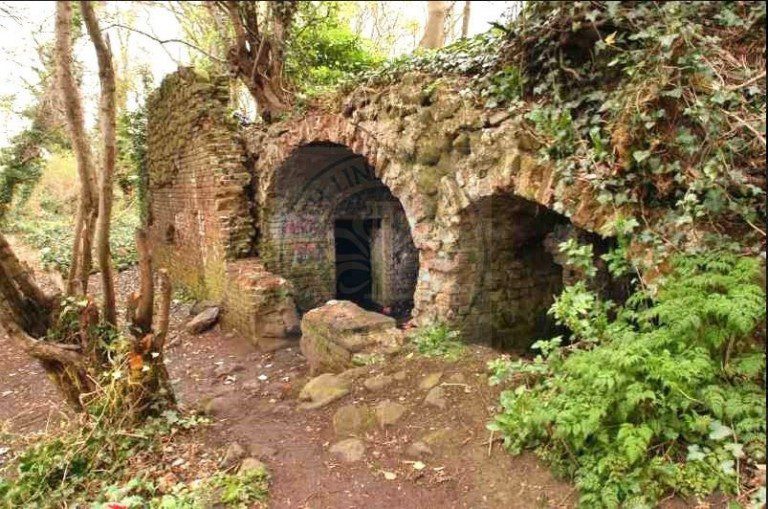
What is a motte and bailey? Let’s look at Duneight, outside Lisburn.. Situated on the Ravarnet River, this rath was later re-purposed during the 12th-century Anglo-Norman period as a motte and bailey. A motte and bailey is a type of castle situated on a raised earthwork and surrounded by a ditch and protective fence. The
What is a motte and bailey? Let’s look at Duneight, outside Lisburn.. Read More »
Historic Photo: Bridge Street, Lisburn What a wonderful view of Bridge Street from the Dan McWilliam’s collection. Join the conversation on Facebook.
Historic Photo: Bridge Street, Lisburn Read More »
Drumbo Round Tower A familiar sight for anyone travelling through the village of Drumbo, south-east of Lisburn. Drumbo round tower is located in the grounds of Drumbo Presbyterian Church, and built on the site of Medieval Parish Church and an earlier monastery. The tower is over 35ft tall and was built in the Early Christian
Drumbo Round Tower Read More »
Castle Robin is located on the Mullaghglass Rd, between Lisburn and Stoneyford. Although little remains, the site is fascinating and contains remains of a three-story c.17th-century fortified house, likely built in c.1611 by Sir Robert Norton, and an Anglo-Norman motte & bailey. The site commands an excellent view of the Lagan Valley & the Mournes.
Where is Castle Robin? Read More »
Historic Photo: Island Spinning Mill, 1983 The Island Spinning Mill: a mill opened here in the 1840s, and produced linen thread for over 120 years, only ceasing production in the 1980s. demolished, the sites is now home to Lisburn & Castlereagh City Council. Photograph by John Press.
Historic Photo: Island Spinning Mill, 1983 Read More »
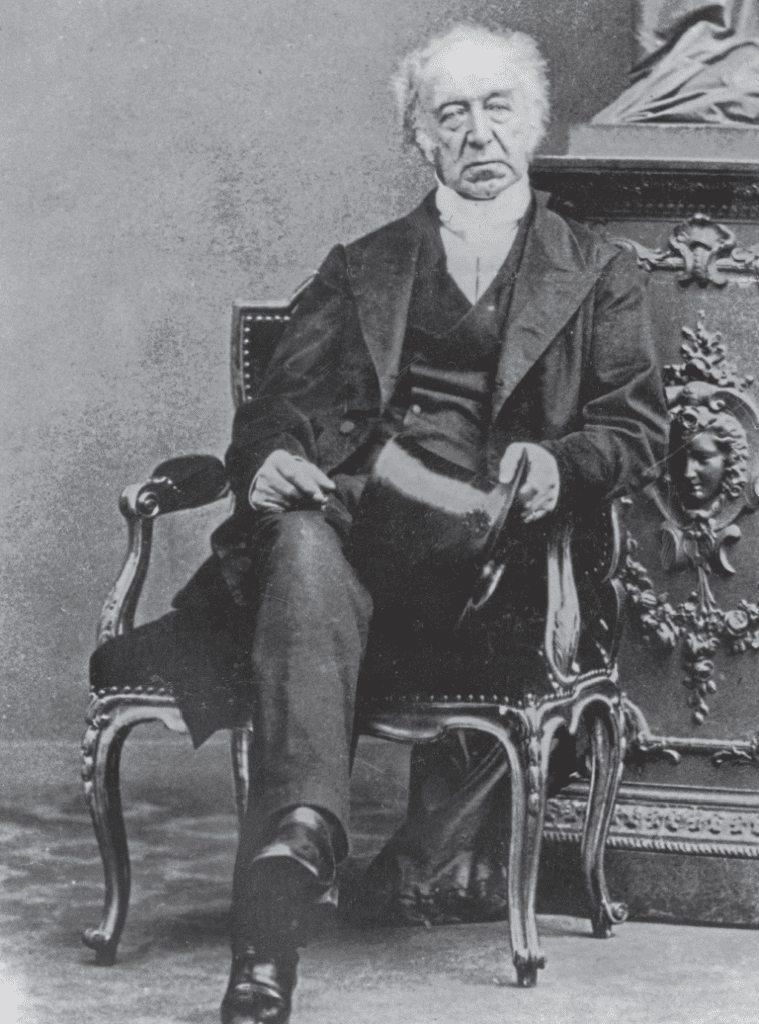
Castle Gardens Object: Dean Stannus (1788-1876) Dean Stannus (1788-1876) Photograph ILC&LM Collection The Very Rev Dean Stannus (1788-1876) acted as Agent for the 2nd, 3rd and 4th Marquesses from 1817, and was an immensely powerful figure. He lived in the Marquess’ house on Castle Street. In the early 19th century he replaced the blank
Castle Gardens Object: Dean Stannus (1788-1876) Read More »
Castle Gardens Object: Sir George Rawdon Sir George Rawdon (1604-84) 1 Baronet Engraving by Robert White ILC&LM Collection George Rawdon was employed by the Conway family as the estate manager and did much to develop Lisnagarvey (later Lisburn). At one time he lived at Lisburn Castle (in today’s Castle Gardens), before moving to Brookhill
Castle Gardens Object: Sir George Rawdon Read More »
Archive: Abbott Bros, Castle Gardens The Abbott brothers, James, Thomas and William, of 15 McKeown Street, photographed at the Crimean cannon in Castle Gardens in 1915. The three brothers were members of the South Antrim UVF who joined the 11th Battalion Royal Irish. William was killed on 1 July 1916 at the Somme.
Archive: Abbott Bros, Castle Gardens Read More »
Archive: Egret Fountain, Castle Gardens How many times have you walked past the Egret Fountain in Castle Gardens? There’s evidence of a fountain in the gardens of a similar design from the 1870s!
Archive: Egret Fountain, Castle Gardens Read More »
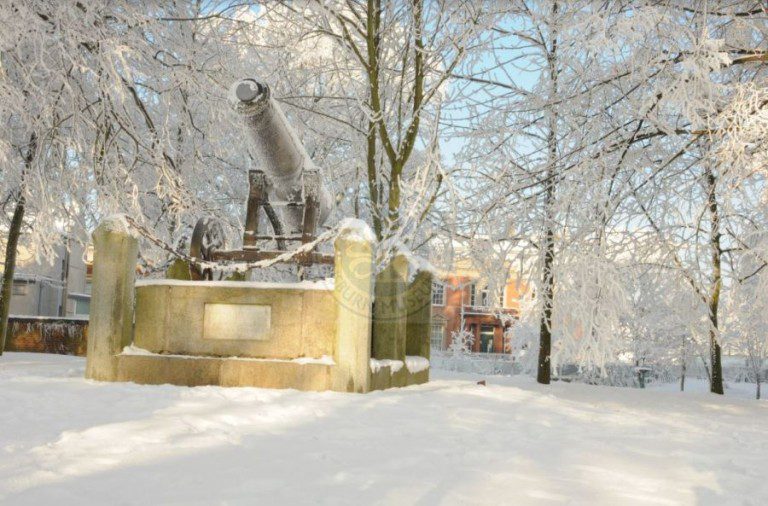
Archive: Castle Gardens, Crimean Cannon and Castle House in the Snow This fabulous view of Castle Gardens captures Castle House and the Crimean Cannon in the snow. This cannon was captured at the Battle of Sebastopol. Admiral Henry Meynell (1789 – 1865), a former MP for Lisburn, presented it to the town in 1858.
Archive: Castle Gardens, Crimean Cannon and Castle House in the Snow Read More »
Do you remember Castle Gardens before its fantastic restoration? The Gardens would have afforded Lisburn’s landlords, the Conway Family, a magnificent view over the River Lagan and surrounding area. Let us know!
Archive: Castle Gardens, pre-restoration Read More »
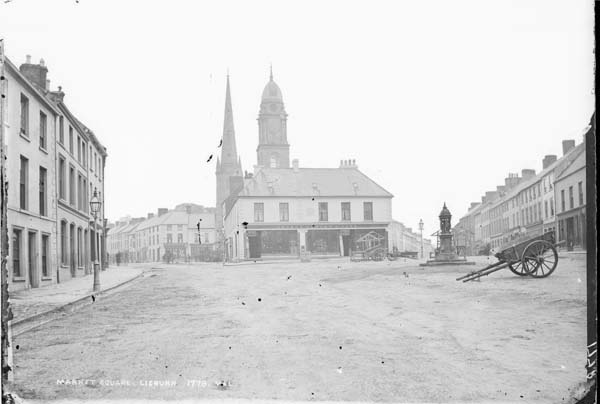
Do you remember this exhibition: Market Square Through Time, c.2015? It was one of our most popular displays! The photograph above is from the Lawrence Collection. Let us know!
Exhibition Archive: Market Square Through Time, c. 2015 Read More »
Do you remember this exhibition: Lisburn: Life in the County Down, 1997? Let us know!
Exhibition Archive: Lisburn, Life in the County Down, 1997 Read More »
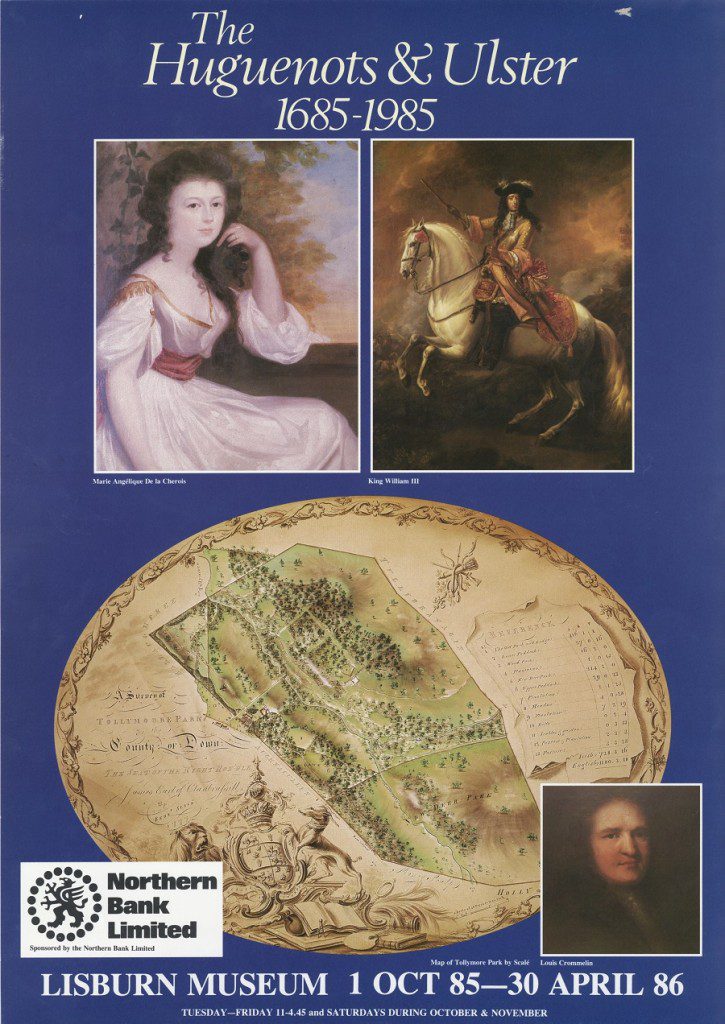
Do you remember The Huguenots & Ulster 1685-1985 exhibition? Let us know! The exhibition and catalogue explored the Huguenot’s rich contribution to life in Ulster.
Exhibition Archive: The Huguenots & Ulster 1685-1985 Read More »
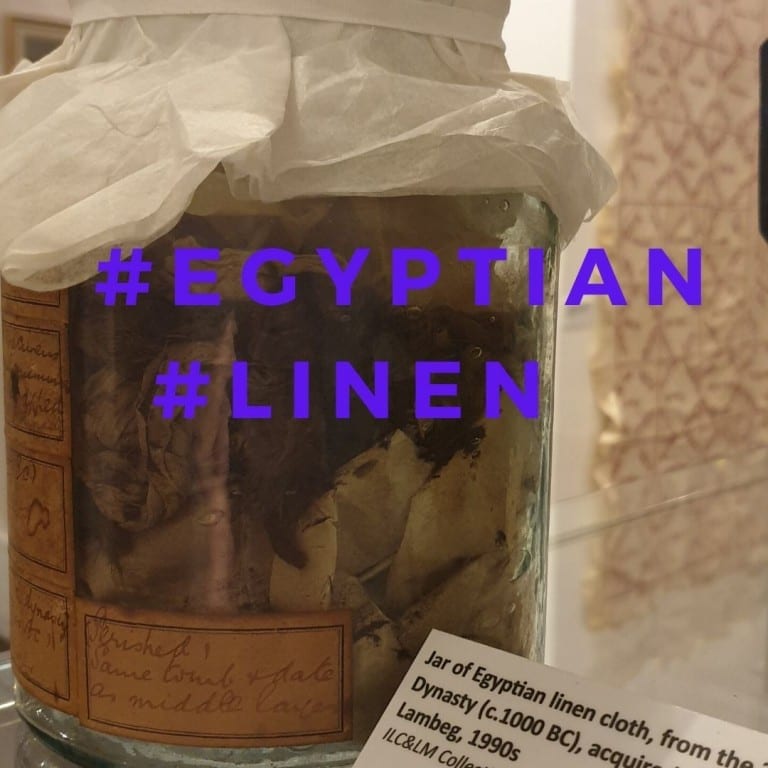
Do you remember our blockbuster exhibition Tutankhamun’s Wardrobe from 2001? If so, let us know. Share your thoughts with us on our social media channels, or by email. The Irish Times covered the exhibition in 2001 and wrote: His death mask may be instantly recognisable, but a new exhibition in Lisburn’s Irish Linen Centre gets
Exhibition Archive: Tutankamun’s Wardrobe, 2001 Read More »
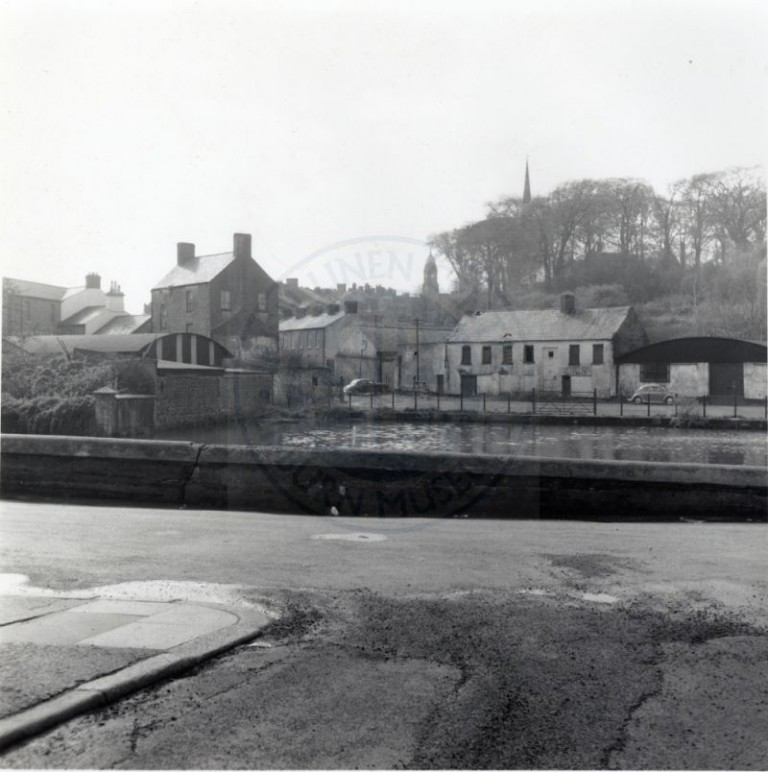
This iconic photograph, by John Press, looks across to Piper’s Hill (Market Lane) from Hill Street. Note the abandoned remains of Coulson’s Damask Manufactory.
Historic Photo: Hill Street Looking Towards Piper’s Hill, Lisburn Read More »
Historic Photo: Chittick’s and Green’s, Bow Street Greens and Chittick’s shops on Bow Street, c.1990s, Chittick’s opened in 1931, selling a range of fashions. It closed in 2006. Greens have been trading in Lisburn since the 1890s.
Historic Photo: Chittick’s and Green’s, Bow Street Read More »
The Victorian era witnessed a dramatic change in fashion and dress. Key silhouettes of the time included large bell-shaped skirts, low-pointed structured waistlines and sloping shoulders. It also saw the introduction of new necklines for evening dresses. Linen was a popular choice of textile for garments and table decor during the Victorian period. Used for
Object: Fashion, Lady’s Linen Collar, 1850 Read More »
Historic Photo: Lisburn Swimming Pool Lisburn swimming pool replaced the old Cattle Market and was officially opened in Jully 1970 by the last Governor of Northern Ireland, Lord Grey of Naunton. Over 18,000 people went for a swim on the opening week and its Sunday opening hours were controversial. The pool closed in 1999.
Historic Photo: Lisburn Swimming Pool Read More »
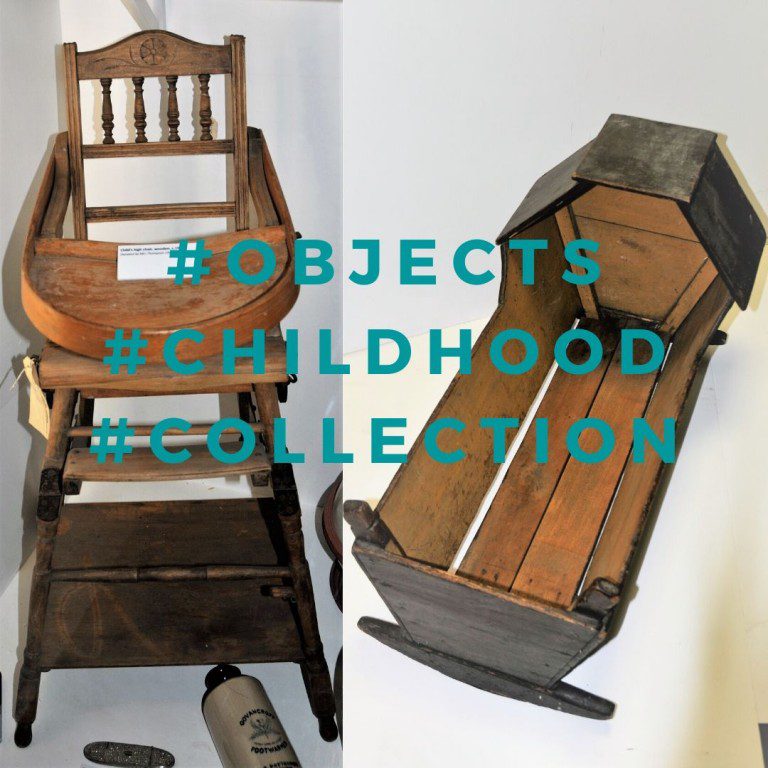
What was your favourite childhood toy? We all had a favourite toy growing up, whether it was a doll or a football that was played with until it was ragged! Long after children have grown up, toys are powerful symbols and objects of childhood and are a way of bringing back old memories. We have
Childhood: Wooden Ramp Walking Toy Read More »
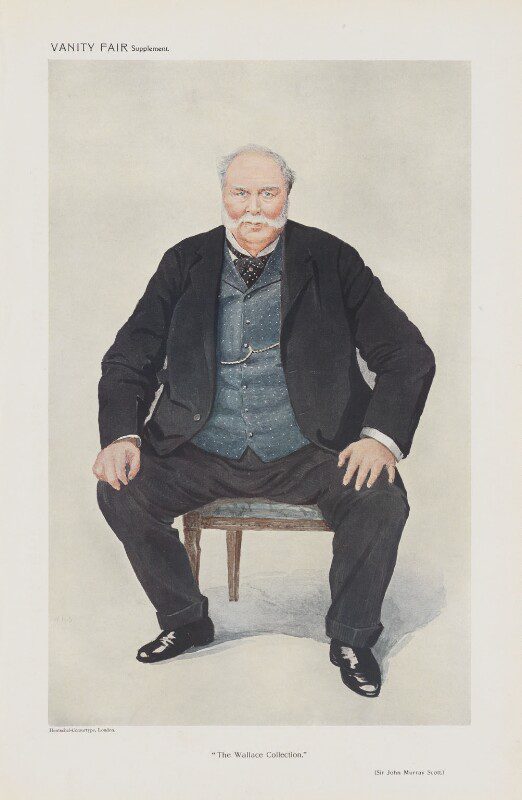
Art: was the world’s greatest art collection originally given to Lisburn…but the offer refused? In 1897, on the death of Lady Wallace, her magnificent art collection – the result of almost 150 years of collecting by the Hertfords and their descendants – was bequeathed to the nation. The collection went on display in 1900 at
Painting: Vietnamese Family by Cherith McKinstry H.R.U.A. (1928-2004) Purchased by the Museum is 2011, the oil on canvas by local artist Cherith McKinstry and was a response to the plight of the people of Vietnam in the 1970s, during the Vietnam War. About Cherith McKinstry Born in Powick, Worcestershire, Cherith McKinstry attended Belfast College
Painting: Vietnamese Family by Cherith McKinstry Read More »
Painting: Stannus Place, Lisburn by Dennis H Osborne Gifted to the museum in 1991, this oil on canvas by Dennis Osborne features Stannus Place, a gorgeous three-storey Georgian terrace (c.1750) on Hancock Street, opposite the Island Mill. The terrace was demolished in the 1970s. Do you remember it? If so, let us know! About the
Painting: Stannus Place, Lisburn by Dennis H Osborne Read More »
Built Heritage: Hilden School The former Hilden Primary School building dates from 1913 and was designed by William John Fennell who was responsible for the Water Commissioner’s Office, Royal Avenue, Belfast. Hilden National School was established by the Barbour family and allowed children at the nearby mill – many who worked half time – to
Built Heritage: Hilden School Read More »
What’s your favourite building or streetscape in the #LCCC area? Comment below and we’ll try and feature a historic image of it in the #VirtualMuseum this week! Join the conversation on our social media channels. #VirtualMuseum #LCCC #Lisburn #Castlereagh #MuseumFromHome #IrishMuseumsOnline
Question: What’s your favourite building or streetscape in the #LCCC area? Read More »
Did you know that it wasn’t until 1918 that women over 30 were given the right to vote in the United Kingdom? It would be another 10 years before that the age for female voters would be brought down to 21 years old, the same as male voters. This wasn’t always the case though. In
Workshop: Women’s Suffrage – Investigation Read More »
There is a saying here in Northern Ireland: “Do you think I came up the Lagan in a bubble?” In this adventure Flaxie heads to the Lagan Tow Path, finds some flappy friends and tries making some bubbles go down the Lagan. Before starting out on he day’s bubbley adventures Flaxie did lots of research
Flaxie Adventure: Up the Lagan in a Bubble Read More »
Photo: Go-As-You-Please Run, Lisburn, 1907 The Great Go-As-You-Please Race, comprising 26 miles from Belfast to Lugan took place on a rainy day in June 1907. The 461 competitors, all from amateur athletic clubs, took off from Belfast and ran via Balmoral, Lisburn, Hillsborough, Dromore, Waringston and then Lurgan. There was a six-hour cut off, and
Photo: Go-As-You-Please Run, Lisburn, 1907 Read More »
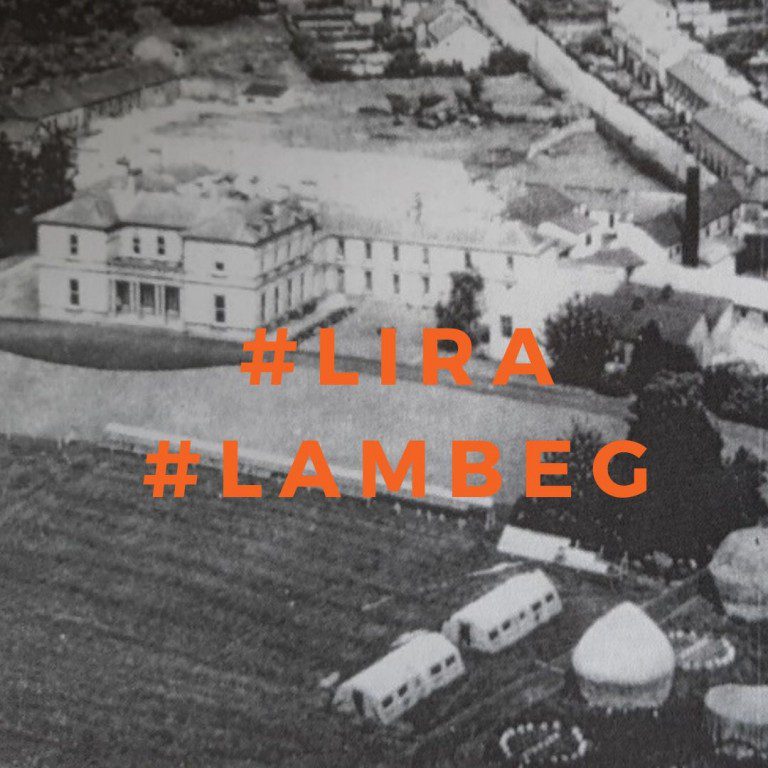
The Linen Industry Research Association (LIRA), later known as the Lambeg Industry Research Association, was set up in the aftermath of the Great War (1914-1918) to put Northern Ireland’s linen industry on a sound scientific footing. Linen had been such an important resource during the War, indeed it had been claimed that the War had
Photo: LIRA, Glenmore House, Lambeg Read More »
In this FREE downloadable resource, you can take part in one of our weather-matching exercises. These are hugely-popular workshops with our Foundation-Level visitors. This matching exercise can help with different aspects of learning. Communication, Language and literacy. Knowledge and understanding of the world. Mathematical and Development. Physical development. Print and cut out all the images
Foundation Topic – Weather Matching Exercise Read More »
Do you have remember completeing do jigsaw puzzles when you were young? During the Covid-19 pandemic many have found it calming to complete jigsaw puzzles to unplug from social media. It can be hard to find a new jigsaw, or even the space to do it…but never fear! Lisburn Museum has created some online jigsaw
Lisburn Museum Wellbeing: Jigsaw Puzzles for all ages Read More »
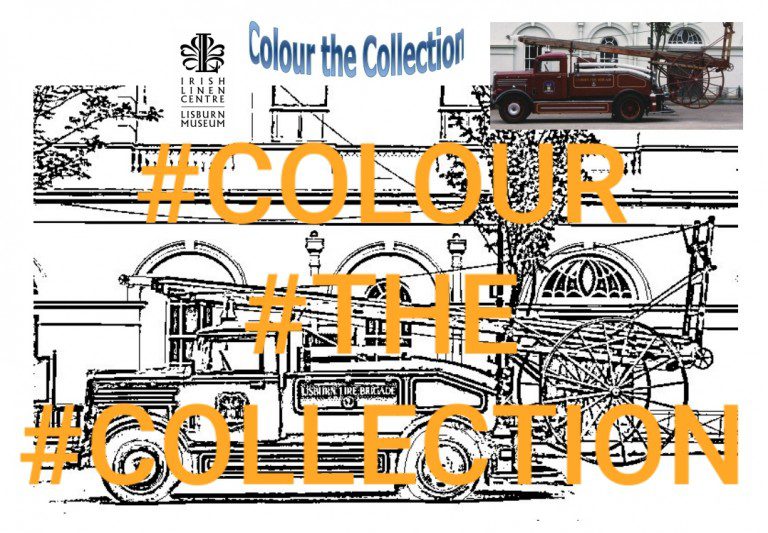
Who loves colouring in? At the Irish Linen Centre & Lisburn Museum we do! Colouring can be very theraputic, grab some coloured pencils and give it a go!
Colour the Collection : 1938 Fire Engine Read More »
World War II is not just a topic on the Primary School Curriculum, but also a way to connect to the generations who came before us. At Lisburn Museum the topic of World War II is broken down into three themes, one of the themes is THE HOME FRONT. Did you know that in Lisburn
WWII Topic – Investigating The Home Front Read More »
Do you remember playing with a swing toy like this? This object is a recent donation, and very special. It was purchased in Frankfurt, Germany in the aftermath of WWII and brought back to Lisburn by the owner for his children. They will be on display in the Museum when we re-open.
Object: WWII-Swing Toy from post-war Germany Read More »
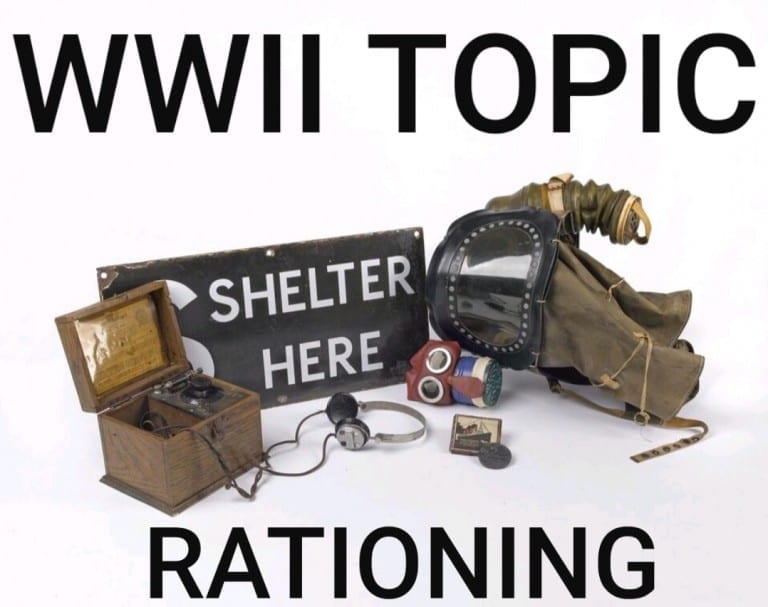
World War II is not just a topic on the Primary School Curriculum, but also a way for us to connect with our family members who came before us. At Lisburn Museum World War II workshops are broken down into three themes. One theme is RATIONING. Did you know that in Northern Ireland rationing began
WWII Topic – Investigating Rationing Read More »
Fashion Through the Ages: Our Google Cultural Institute Exhibition Do you want to delve into our fashion collection? Click the link below and explore ‘Fashion through the Ages: Irish Linen’. You can view hand-embroidered linen, rich silk, beautiful damask woven in Lisburn or watch our Jacquard looms at work! The exhibition uses Google’s state-of-the-art technology,
Fashion Through the Ages: Our Google Cultural Institute Exhibition Read More »
The Covid-19 Panedemic has brought into sharp focus the role our essential and emergency workers play in keeping us all safe. Isn’t is important that Museums collect objects, stories and history relating to these services? In part, that’s why we have launched our ‘Covid-19 and Me’ project. In 1996 the museum added this 1938 Denis
From the collection: our famous fire engine Read More »
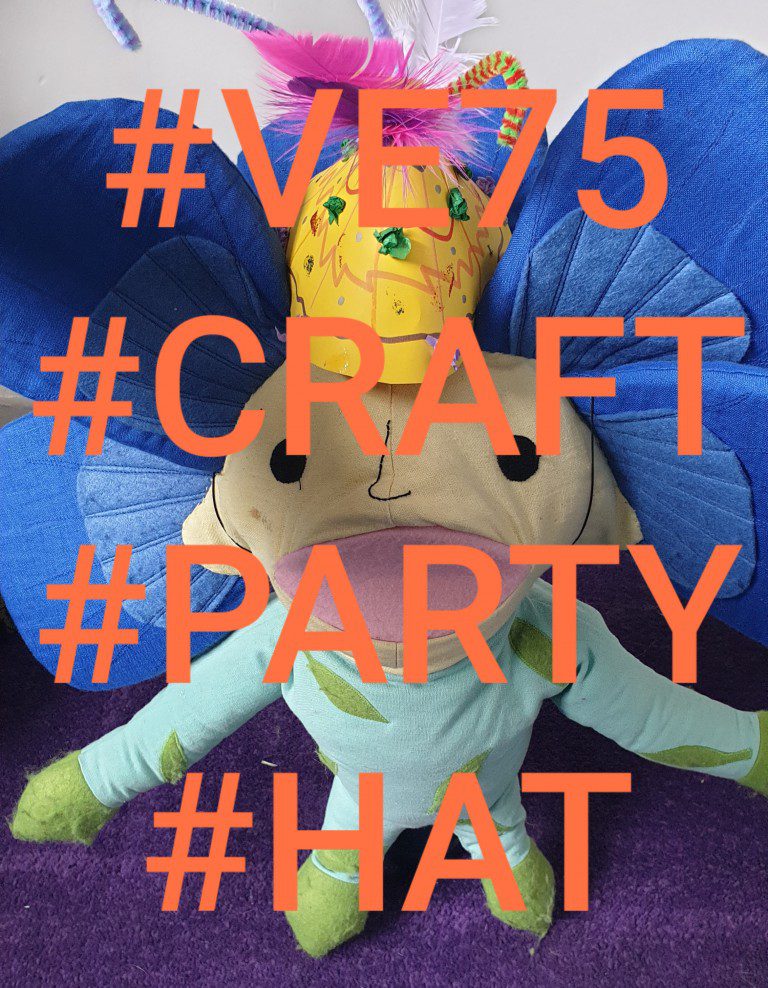
Museum Staff regularly run WWII workshops. Students learn how people in Northern Ireland had to adapt during WWII using artefacts from the Museums collection, topics include rationing, living in a blackout and evacuation. The workshops often take place in our very own air raid shelter (the last remaining in Lisburn) in Castle Gardens. One of
WWII / VE75 – Make your own pretend Gas mask Read More »
The Lisburn Gas Company Limited was formed in the late 1830s to produce gas for domestic and commercial use in the town. The gasworks was located beside the Lagan, although the gas office was on Bridge Street. The Urban District Council crest, which can be seen above the top middle window, is currently in the
Photograph: Gasworks Office, Bridge Street Read More »
One of the most popular science workshops at the Museum is our BRIDGES workshop! This workshop helps demonstrate how FORCES work and how different types of bridges are created. If you would like a taster of the Bridges workshop, and try our bridge-building challenge then download the FREE workbook!
Science: build your own bridge at home! Read More »
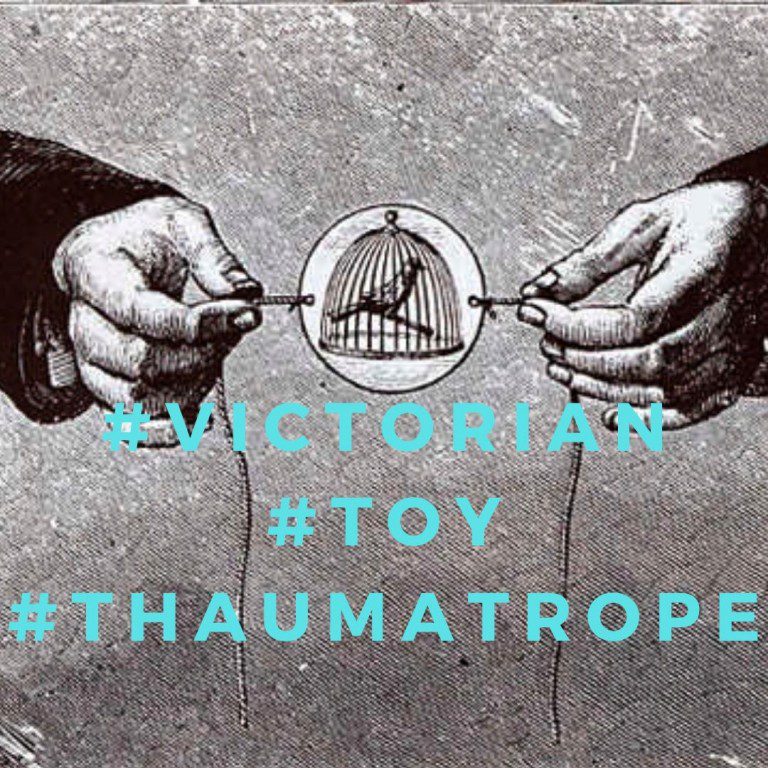
Sir Richard Wallace (1818-1890), Lisburn’s landlord, lived through the Victorian era, a period of great invention and innovation. One of the most popular themes iour annual science programme is our Victorian Inventions workshop. If you would like a taster of the Victorian Inventions workshop, which includes a quiz and two fun experiments to try at
Science: Victorian Inventions to try at home – make a string telephone! Read More »
Local History: how did Chrome Hill, Lambeg, get its name? The scientific connection! The magnificent Chrome Hill, Lambeg, overlooks Wolfenden’s Bridge, and was formerly known as Harmony Hill or Lambeg House. The property is an original 17th-century home, with 18th and 19th-century additions. One important resident of the house was the Manchester businessman Richard Niven
Local History: how did Chrome Hill, Lambeg, get its name? The scientific connection Read More »
In 2017 the theme for the British Engineering and Science Week was ‘CHANGE’, and in the Museum our science programme reflected this. Through the theme of TRANSFORMATIONS we looked at human, and non-human, changes in nature. If you would like a taster of the Tremendous Transformations Workshop, then download our FREE workbook and try two
Science: make slime at home! Tremendous transformations! Read More »
Did you know that Lisburn Museum runs science workshops throughout the year? You can try many of these at home! We call this ‘kitchen science’, as you can find many of the items you need in your food cupboard. Did you know that you can make a a dramatic chemical reaction by mixing two common
Science: An acid and base experiment to try in your kitchen Read More »
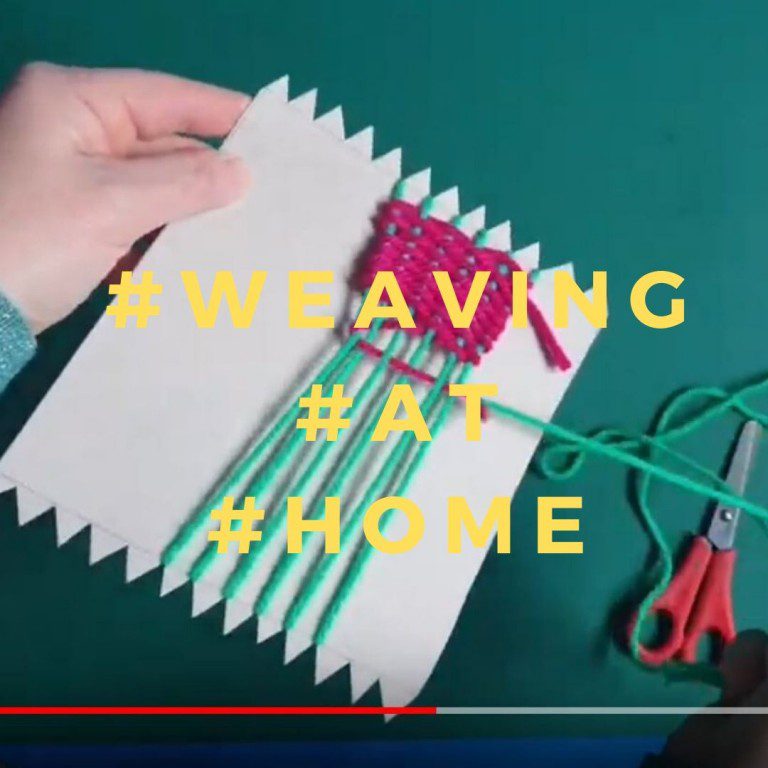
Did you know that weaving is closely associated with the invention of the computer? Damask weaving had always been carried out on a drawloom. This was a complicated and time-consuming process that involved a weaver and a drawboy. In 1801 a Frenchman, Jean Marie Jacquard (1752-1834) designed and built a new type of loom. This
History: Weaving and the first computer? Read More »
Museum Staff regularly run Ancient Egyptian workshops. Students learn about life in Ancient Egypt and why the Irish Linen Centre has a special artifact from the Tomb of Tutankhamen. The Ancient Egyptians wrote with an alphapbet called hieroglyphs. When they wrote a name they made an oval name plate known as a cartouche. You can
Ancient Egypt Topic – Create Your Own Cartouche Read More »
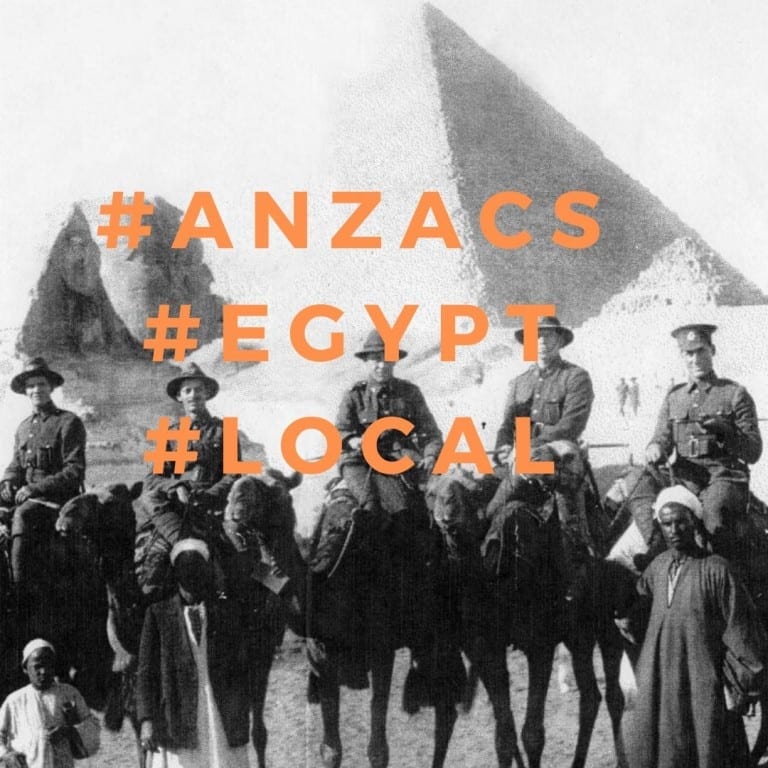
Private Alec Martin (b.1895) was born in Magheragall and emigrated to New Zealand in 1913. When war broke in August 1914 Alec enlisted in the New Zealand Expeditionary Force and after training in Egypt, where he visited the pyramids (above, second right), he travelled to the Dardanelles. He fought and died there in April 1915
Historic Photo: Private Alec Martin at the Pyramids, 1915 Read More »
Scavenger hunts are fun indoors! Lisburn Museum and Flaxie have created a simple scavenger hunt you can try at home. There is even a blank template for you to create a hunt of your own.
Flaxie Buds Easter Workshop – Indoor Scavenger Hunt Read More »
Wisdom from Yesteryear: a 1940’s Household Encyclopaedia pt III As we all find we are spending extra time at home, in between looking after work and family, why not take some time to explore what artefacts or archives you have at home? A 1940’s Household Encyclopaedia is a family artefact and last week we took
Museum Blog: Wisdom of Yesteryear, a 1940’s Household Encyclopedia pt.III Read More »
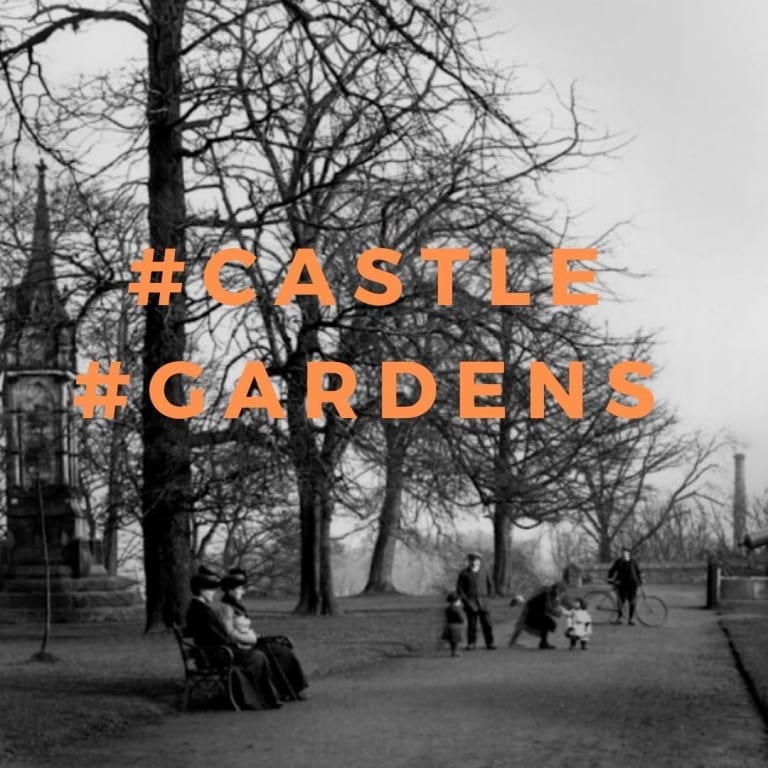
This delightful Edwardian scene shows the bowling green in Castle Gardens, with the magnificant Wallace Monument (erected 1892) in the background beside the Crimean Cannon, captured at Sebastopol. At one stage the Park also had a German Howitzer from WWI, but it was neglected and scrapped.
Historic Photo: Castle Gardens, Lisburn Read More »
How the flag that flew over the GPO on Easter (1916) came to Lisburn This story has prevsiouly featured here. With the surrender of the Easter Rising rebels on Friday April 28th 1916, and the re-capture of the GPO, a party of local soldiers, who had helped quell the Rising, returned home. Given a ‘great
Local History: How the flag that flew over the GPO on Easter (1916) came to Lisburn Read More »
Create your own 3D model on your Smartphone! The Museum has lots of online 3D Models that are available to view in VR and AR. You can check out one of our previous tutorials for an AR Wallace Fountain here. Many museums are making their collections available online as 3D models as a means of
3D Task: Create your own digital object Read More »
Wisdom from Yesteryear: a 1940’s Household Encyclopaedia pt. II As we all find we are spending extra time at home, in between looking after work and family, why not take some time to explore what artefacts or archives you have at home? A 1940’s Household Encyclopaedia is a family artefact and last week we took
Museum Blog: Wisdom of Yesteryear, a 1940’s Household Encyclopedia pt.II Read More »
3D Task: A Wallace Fountain in your Kitchen? Using some of the latest 3D and AR (Augmented Reality) technology you can access some of the amazing objects in our collection, and it can all be done using your own smart phone. In what follows we will guide you through how to download and place one
3D Task: A Wallace Fountain in your Kitchen? Read More »
3D Model: The Digital Suffragette This week we are exploring some of the Museum’s #digital objects. This 3D model of Lisburn Suffragette Mrs Lillian Metge was produced as part of our Digital Wallace workshops. You can re-use this model – colour it, edit it, use it in you AR or VR goggles! A host of
3D Model: The Digital Suffragette Read More »
Wisdom from Yesteryear: a 1940’s Household Encyclopaedia As we all find we are spending extra time at home, in between looking after work and family, why not take some time to explore what artefacts or archives you have at home? This may be a picture, photograph, letters or like me, a wedding present belonging to
Museum Blog: Wisdom of Yesteryear, a 1940’s Household Encyclopedia Read More »