Virtual Museum

Mulholland in Lisburn: A Hero’s Return

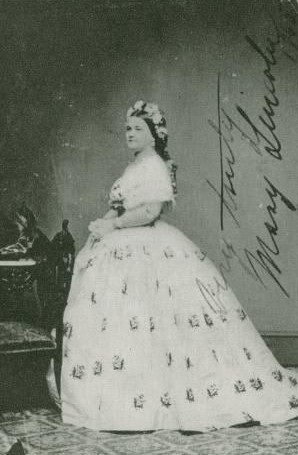
This blog is by Josie Darkins, an intern studying MA Public History at Queen’s University Belfast. Civil War General, St Clair Mulholland (1839-1910) was born in Lisburn to canal-barge owning father, Henry Mulholland (1796-1856), and merchant’s daughter, Georgina Hester Agnes Sinclaire (b.1803). His family emigrated to Philadelphia in 1850 where St Clair found a talent […]

Mulholland in Lisburn: A Hero’s Return Read More »

‘A Distinguished Ulsterman’ – St Clair Mulholland: the American Civil War Colonel from Lisburn

Bridge Street has been one of Lisburn’s most important areas going right back to its earliest times. The street’s close proximity to the Lagan was vital in its development, including the growth of the gasworks, covered in an earlier Virtual Museum post. Besides functioning as the town’s engine room, Bridge Street also produced a number

‘A Distinguished Ulsterman’ – St Clair Mulholland: the American Civil War Colonel from Lisburn Read More »

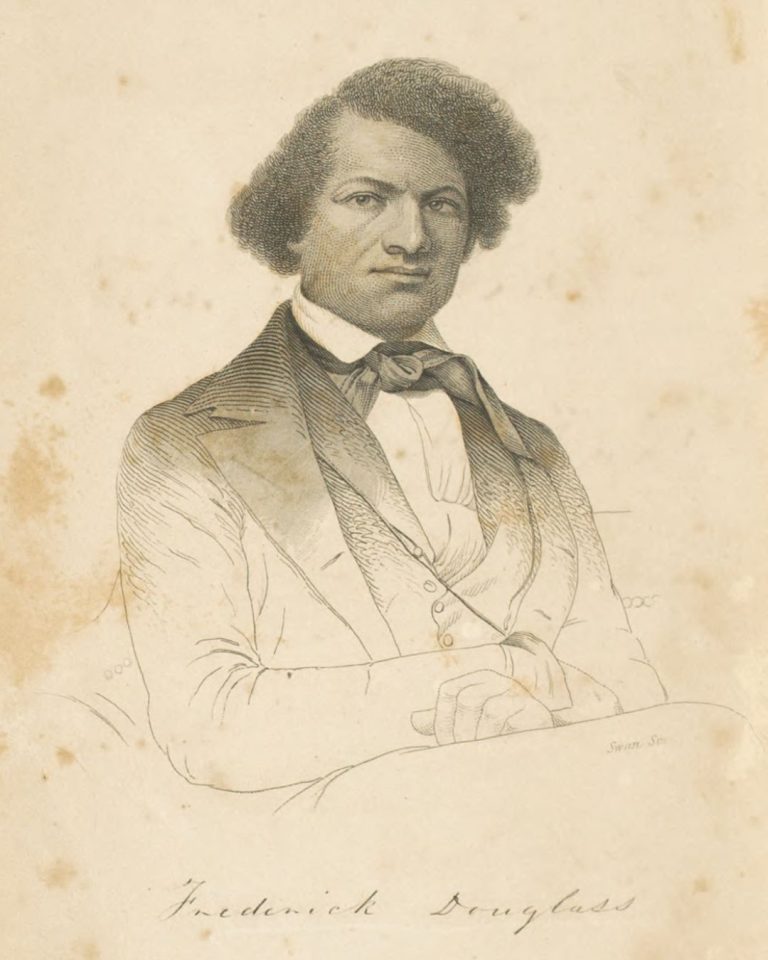
Frederick Douglass and Lisburn

Frederick Douglass (1818-95) was born into American slavery but escaped to tell his story and became a leader of the abolitionist movement. Did you know that the most photographed American man of the 19th century visited Lisburn? Lisburn had its own small, but committed anti-slavery movement active from the late 1700s. Douglass spoke in 1st

Frederick Douglass and Lisburn Read More »

Santa Claus 1957 - photo

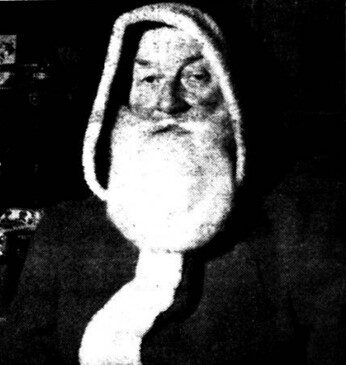
Santa Claus in Lisburn, 1957

Santa Claus has a long-standing association with Lisburn. He has visited for many decades to ask the children if they have been doing their best all year, to receive their letters, and to hear what they would like for Christmas. Of course, he also makes an important stop on Christmas Eve to deliver presents! In

Santa Claus in Lisburn, 1957 Read More »

Owl - photo

Long-eared owl (Asio otus)

Long-eared owl (Asio otus)LMILC.1992.9, purchased There are many myths about owls, but what we do know about these birds is that they have exceptional hearing, special feathers that allow them to fly almost silently, and can rotate their head up to 270 degrees! This male ‘long-eared owl’ is part of our small collection of natural

Long-eared owl (Asio otus) Read More »

Important donation of a portrait of James Corry (1772-1848) to the museum

Mr Michael Thomas, during a recent visit to the museum, gifted a portrait of his relative to the collection.  Councillor Tim Mitchell, Communities and Wellbeing Chairman, kindly accepted this portrait of James Corry (1772-1848). As Secretary of the Irish Linen Board, Corry visited Lisburn in 1816 and toured William Coulson & Sons damask manufactory on

Important donation of a portrait of James Corry (1772-1848) to the museum Read More »

Photo: ‘Monty’ in Lisburn, 1945

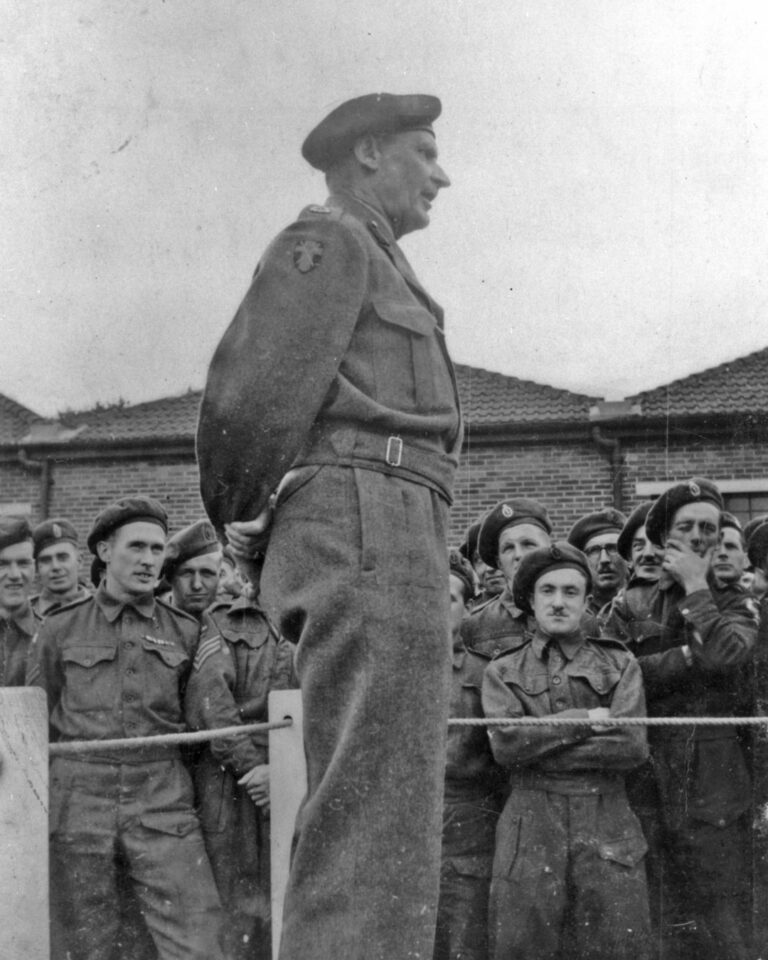
Field Marshal Montgomery (‘Monty’) at Thiepval Barracks, Lisburn, 13 September 1945 (ILC&LM Collection) On 13 September 1945, Field Marshal Montgomery, the most famous British general of the Second World War, visited Lisburn. Here, he addresses soldiers at Thiepval Barracks who are about to be demobilised following the end of the world’s deadliest conflict. ‘Monty’, as

Photo: ‘Monty’ in Lisburn, 1945 Read More »

Potato disease - photo

Illustration: Preventing potato disease in Ireland, 1890

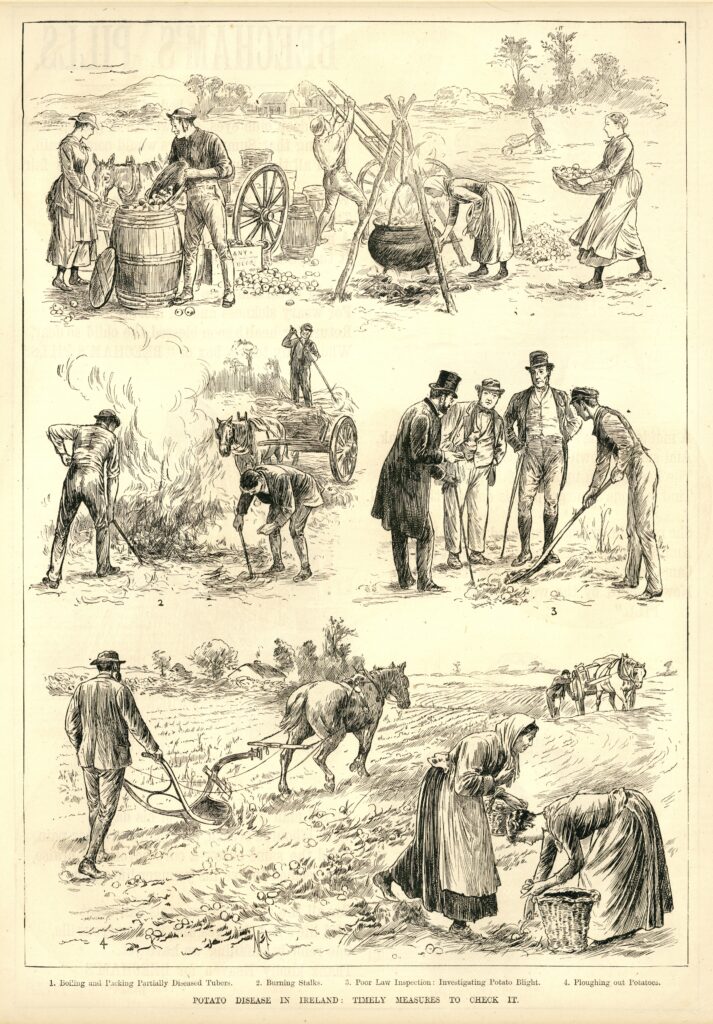
Illustration, ‘Potato disease in Ireland: timely measures to check it’, from the Penny Illustrated Paper, 15 November 1890 (LMILC.1996.21, purchased) The Irish Famine of 1845-52, in which 1 million people died from starvation and disease, was caused by the spread of Phytophthora infestans or potato blight. The disease destroyed much of Ireland’s staple food, the potato,

Illustration: Preventing potato disease in Ireland, 1890 Read More »
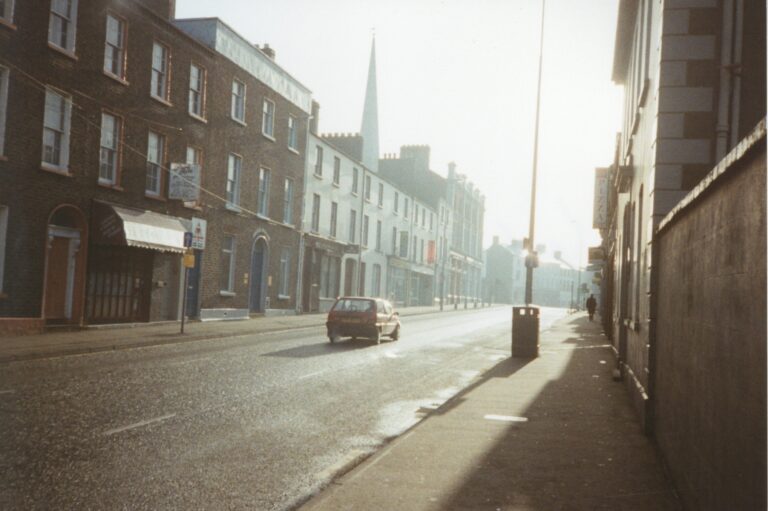
Object: Beehive skep

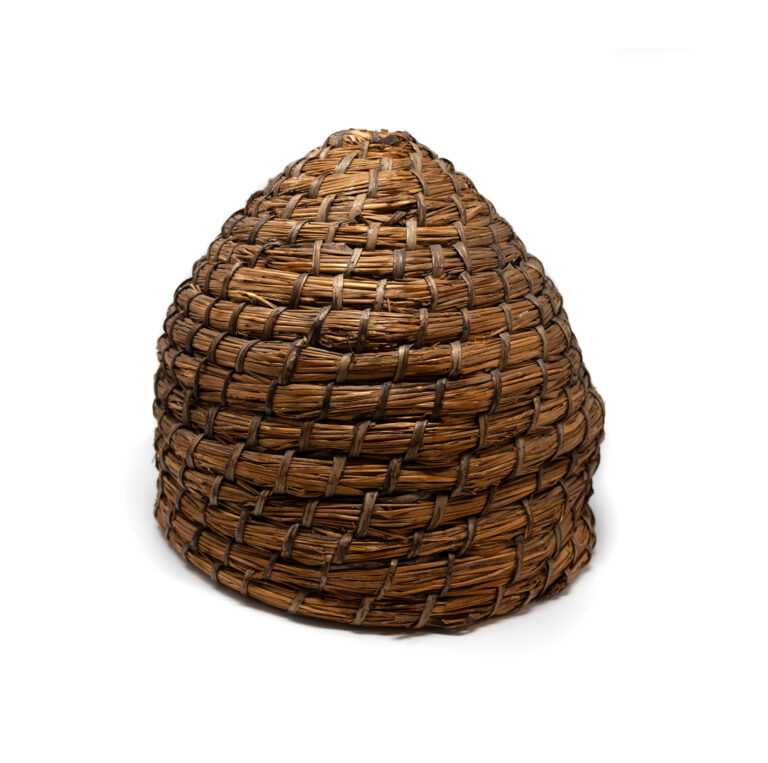
Beehive skep (LMILC.1992.26, given by Hugh Bass) A ‘skep’ is a traditional, straw-woven basket that is placed open-end-down and used as a beehive. Believed to have been first used in Ireland, the skep provides an enclosure for the bee colony. Because no internal structures are provided for the bees, the honeycomb is cross-attached and cannot

Object: Beehive skep Read More »

US soldiers - photo

Photo: American soldiers in Lisburn

American soldiers, possibly in Lisburn, c. 1943 (LMILC.2024.204.08, gifted by Margaret Tanuvasa) We believe this photo of local women with US soldiers was taken in Lisburn. Can you help us figure out the exact location? The Americans were based in Northern Ireland during the Second World War, with the first soldiers arriving in early 1942.

Photo: American soldiers in Lisburn Read More »
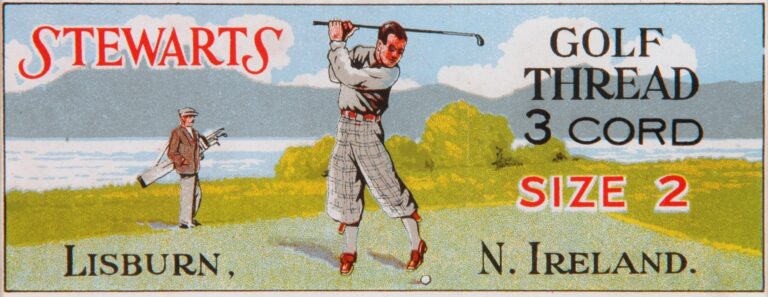
Talks Programme 2025

We are delighted to announce our Talks Programme for 2025. Starting on 25 February and running until 11 March, we have a great line-up of researchers and speakers who will discuss a broad range of topics – from Victorian Belfast to Ulster townlands and Civil War China. Our talks are free and in person, and

Talks Programme 2025 Read More »
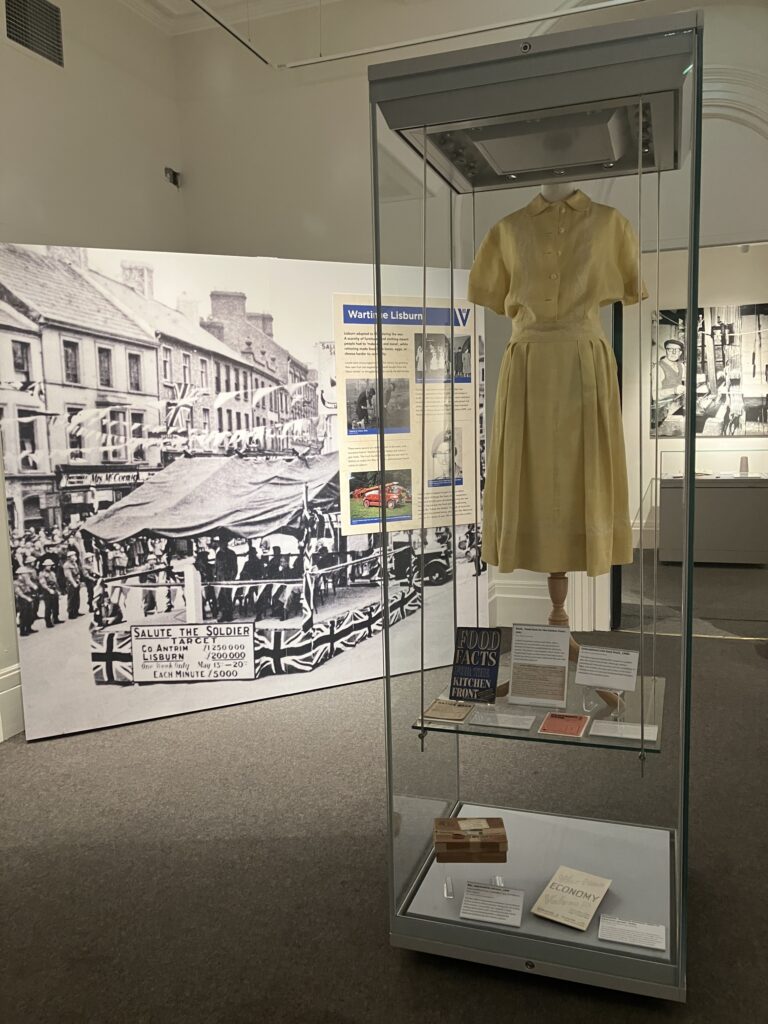
Object: ARP cigarette cards, 1938

ARP cigarette cards, W.D. & H.O. Wills, 1938 (LMILC.1994.122, gifted by Lila Reid) Cigarette cards were a type of trading card, and were highly collectible. These ARP (Air Raid Precautions) cards were a pre-war initiative sanctioned by the government. They were part of a set of 50 which could be placed in an album, with

Object: ARP cigarette cards, 1938 Read More »
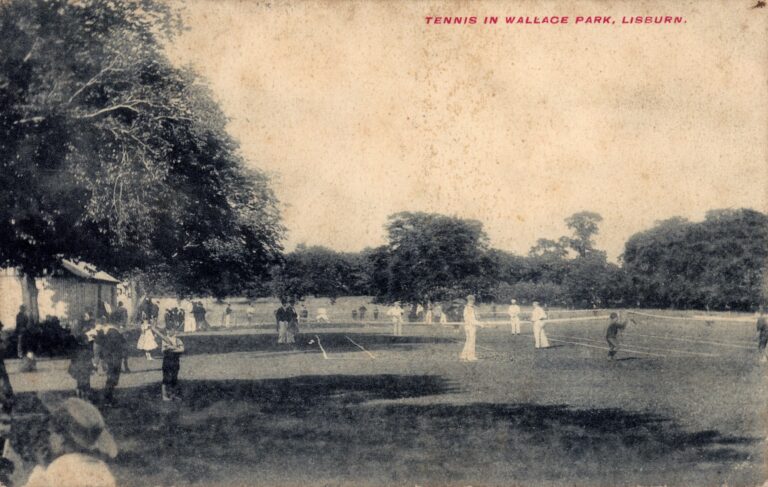
ARP Rescue - photo

Photo: Lisburn ARP Rescue Squad

Lisburn ARP Rescue Squad, Wallace Avenue, c.1944 (ILC&LM Collection) The ARP had several squads that carried out their own specific service. Rescue Squads had an ‘R’ painted on their helmet. They were responsible for removing injured people or dead bodies from bombed premises. This photo may have been taken after a training exercise codenamed ‘Fox’

Photo: Lisburn ARP Rescue Squad Read More »
ARP helmet - photo

Object: ARP helmet

ARP warden’s helmet, c. 1940 (LMILC.1990.202, gifted) The ARP (Air Raid Precautions) was established before the outbreak of the Second World War to prepare for German bombings. Lisburn Urban District Council was the first local authority in Northern Ireland to develop an ARP scheme. From 1938, volunteers or ‘wardens’ enlisted in the Assembly Rooms (now

Object: ARP helmet Read More »
Chapman - photo

George Chapman Sinton (1886-1976): from Lisburn ‘Old Scholar’ to US presidential elector

Thomas E. Dewey, Governor of New York and Republican presidential nominee, admiring Sinton’s tie at the Republican National Convention in Philadelphia, PA, 1948. (FSL, Past and Present, 1948) Around the time of US presidential elections, there is always a lot of talk about the so-called ‘Electoral College’ in determining the winner. This is the group

George Chapman Sinton (1886-1976): from Lisburn ‘Old Scholar’ to US presidential elector Read More »
Lisburn 1833 - map

The woods of Old Warren

Colourised OS map of Old Warren, 1833, showing the plantations of the 3rd Marquess of Hertford, the landlord at the time (ILC&LM Collection) As you drive into Lisburn from Sprucefield, you will pass through a ‘cut’ in a hill with trees either side of the Hillsborough Road. The old terrace, Warren View, and gentleman’s residence,

The woods of Old Warren Read More »
Betty McCrory - photo

Betty McCrory of Warren Cottage

Mrs Betty McCrory receiving a gift from the Very Rev. Dr William Boyd, senior minister of 1st Lisburn Presbyterian Church, as a token of appreciation for 25 years of arranging flowers at the church. (Ulster Star, 16 October 1981) After posting about Warren Cottage, some people got in touch to say they attended flower-arranging classes

Betty McCrory of Warren Cottage Read More »
Hilden School 1912 - photo

First day at Hilden School, 1912

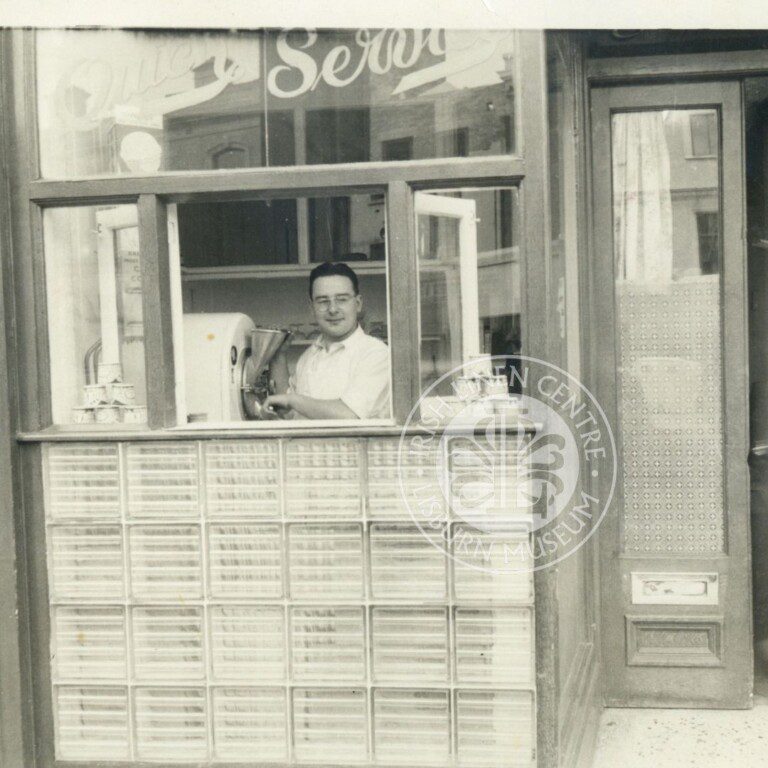
Hilden School’s infant division, 1912 (ILC&LM Collection) For some of these young children, this was most likely their first ever day at school. A couple of the children appear to have moved when the photograph was taken – can you spot them? Hilden School Refurbishment and Reinvigoration: Delivery Stage 2024-27 is made possible with support

First day at Hilden School, 1912 Read More »

Warren Cottage - photo

Warren Cottage, Lisburn

Warren Cottage, Lisburn, c. 1980s (ILC&LM Collection) Warren Cottage was located opposite Warren View terrace on the Hillsborough Road, Lisburn. It was named after the townland in which it was located – Old Warren. Dating back to around 1800 and usually termed a ‘gentleman’s residence’, the property was described in the late 1960s as a:

Warren Cottage, Lisburn Read More »

Wallace ostrich - photo

A strange-looking creature …

The armorial bearings of Sir Richard Wallace (LMILC.1990.220, purchased 1990)   The coat of arms of Lisburn’s landlord from 1870-90, Sir Richard Wallace, features a strange-looking creature! Despite its appearance, it is an ostrich. It has a horseshoe in its beak, possibly because it is a symbol of good luck or legend says that ostriches’

A strange-looking creature … Read More »

Maginnity 2 - photo

Sgt. David Maginnity (1824-64)

Sgt. David Maginnity (c.1824-64), in the uniform of the old mounted police. By kind permission of Ron Frew. Sgt. David Maginnity (c.1824-64) was an Irish-born member of the New South Wales Police Force in Australia. Although his birthplace is uncertain, the most likely location was the County Down side of Lisburn. Following service in the

Sgt. David Maginnity (1824-64) Read More »

Shearing - photo

Photo: The Annahilt Shearers

Sheep shearing at Annahilt, near Hillsborough, c. 1930s (LMILC.2004.469, purchased 2004) Sheep farmers normally ‘shear’ or ‘clip’ the wool from their sheep in late spring and summer. Though wool was once a valuable natural fibre, shearing is now mainly done for the benefit of the animal’s welfare. In the old days, sheep were clipped with

Photo: The Annahilt Shearers Read More »

The E.M.B. Memorial Hall, Hilden

E.M.B. Memorial Hall, Hilden (ILC&LM Collection) The E.M.B. Memorial Hall at Hilden was erected in 1911 by John Milne Barbour (1868-51) in memory of his late wife, Elise Milne Barbour (1873-1910). She was originally from Paterson, New Jersey, USA, and was her husband’s cousin, being the daughter of Robert Barbour (1825-92), a founder of the

The E.M.B. Memorial Hall, Hilden Read More »

LIRA flax 2 - photo

The flax sowing debate

  Flax of different dates of sowing, Glenmore, 1927 (ILC&LM Collection) Traditionally, flax was sown in Ireland in early May when all risk of frost had passed and under the perception that warmer weather improved germination. There was sometimes debate about whether this was the best time to sow the seed. In 1842, Cortland G.

The flax sowing debate Read More »

IWM Sword Beach - photo

D-Day 80: Talks Programme

British troops storm Sword Beach, Normandy, 6 June 1944 (©IWM) We are delighted to announce a programme of two talks in May 2024, leading up to the 80th anniversary of D-Day. D-Day, or the Normandy landings, was the launch of Operation Overlord – the Allied invasion of Nazi-occupied France on 6 June 1944. It was

D-Day 80: Talks Programme Read More »

Mary Edson photo

A poem for the Mary Edson, 1863

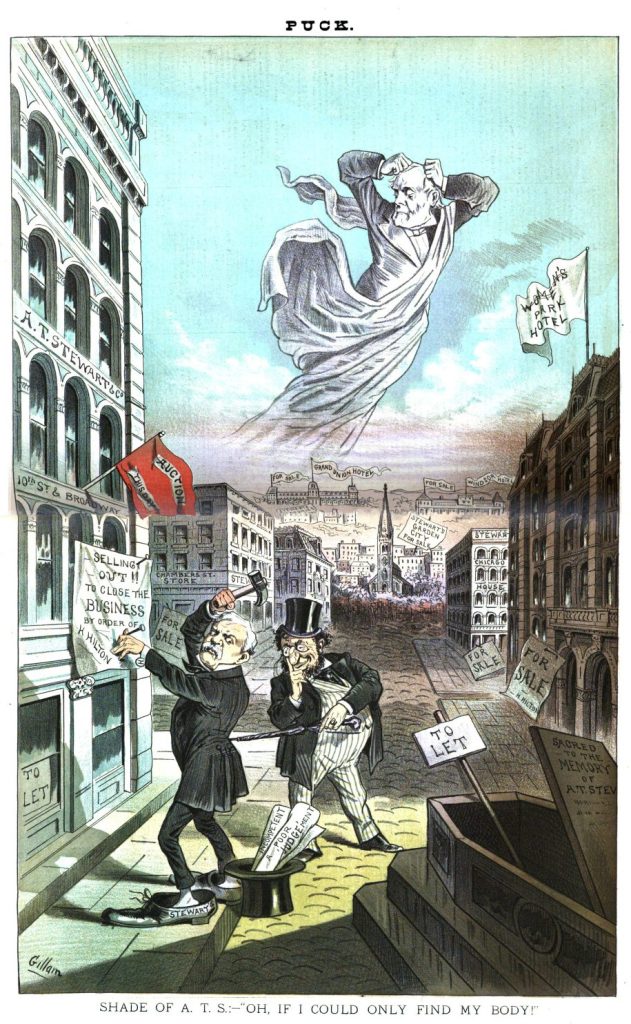
Model of the Mary Edson, by Werner Geyer, 2023 (ILC&LM Collection) The following poem was written by William McComb (1793-1873) on 13 July 1863, the date that the Mary Edson departed Belfast for New York. The ship was sent by Lisburn-born American millionaire, A. T. Stewart (1803-76), and on the return leg to the USA

A poem for the Mary Edson, 1863 Read More »

Dog - photo

Photo: A ‘working’ dog

A child and dog on a farm near Annahilt, Hillsborough, c. 1930 (LMILC.2004.469, purchased 2004) This child took the term ‘working’ dog to a whole new level! Although the Border Collie seems content to pull the small cart, we can’t help but think it would rather have been herding sheep, which is what the breed

Photo: A ‘working’ dog Read More »

MP Gordon portrait

Maria Pirrie Gordon (1842-1921)

Maria Pirrie Gordon (1842-1921). Oil on canvas by Frank McKelvey (1895-1974). LMILC.2010.147. Maria Pirrie Gordon (née Barbour) was like so many women in Irish society during the late nineteenth and early twentieth centuries – we have very little information about her life, and what little we do know is often told through the lives of

Maria Pirrie Gordon (1842-1921) Read More »

Miss Leap Year photo final

Lisburn’s Miss Leap Year, 1964

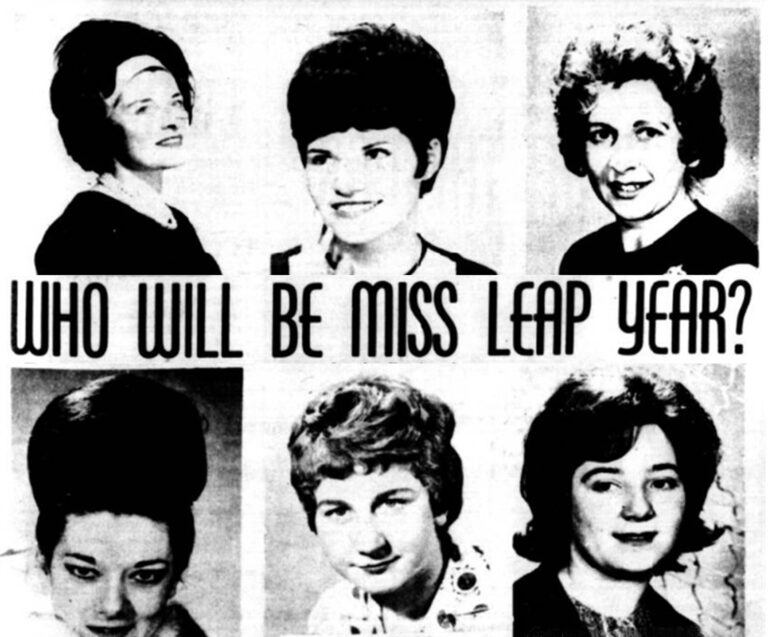
  Ulster Star, 22 February 1964 In 1964, a group of Lisburn students organised a ‘Miss Leap Year’ competition in aid of the charity Freedom from Hunger. Unlike other beauty queen titles, entrants for Miss Leap Year submitted their photograph and six finalists had their portrait displayed in a public space. Beneath each picture was a

Lisburn’s Miss Leap Year, 1964 Read More »
Warren View photo

Photo: Warren View, Lisburn

Warren View, Hillsborough Road, Lisburn, c. 1960s (ILC&LM Collection) Thank you to everyone who contacted us about an unknown terrace we posted on our Virtual Museum. With your help, we can identify the terrace as ‘Warren View’. It was built in the late nineteenth century on the Hillsborough Road (sometimes referred to as the Dublin

Photo: Warren View, Lisburn Read More »

Ferguson Radio - photo

Ferguson Radio, 1956

Ferguson radio, model 383A, 1956 (LMILC.2018.395, donated 2018) This radio was manufactured in 1956 by the Ferguson Radio Corporation Ltd. The model 383A was also known as the ‘fleur-de-lis’ and had three reception wavebands – long, medium, and VHF or FM. An interesting feature, which was common on old radios, is the variety of stations

Ferguson Radio, 1956 Read More »

Rolls-Royce Dundonald photo

The Rolls-Royce factory, Dundonald

Rolls-Royce factory, Dundonald, shortly before closing in 1977 (Belfast News-Letter, 7 February 1977) The Rolls-Royce factory at Dundonald was short-lived, but it impacted many people. The site was initially the factory of Resinoid and Mica Products Ltd., a plastic mouldings firm that relocated to Dundonald from Reading, England, in September 1965. It provided 300 jobs,

The Rolls-Royce factory, Dundonald Read More »

Stewart residence photo

Lisburn cotton weavers’ address to A. T. Stewart, 1863

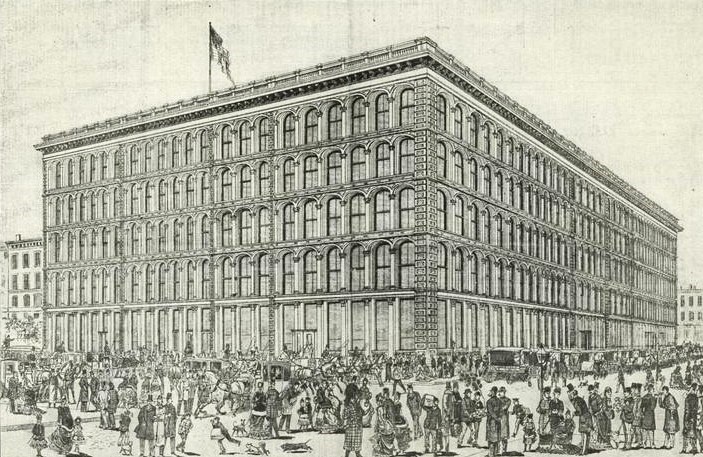
A. T. Stewart’s residence, Fifth Avenue and 34th Street, Manhattan, New York, c. 1900 (Image credit: New York Public Library) The cotton famine of 1861-3 was devastating for many Lisburn families, with the cotton weavers unable to source the material on which their livelihood depended. The Lisburn-born American millionaire, Alexander Turney Stewart (1803-76), felt compassion

Lisburn cotton weavers’ address to A. T. Stewart, 1863 Read More »

Scroll to Top