This blog is by Josie Darkins, an intern studying MA Public History at Queen’s University Belfast.
The Barbours of Lisburn are locally famous for underpinning the region’s linen thread industry and exporting it to Paterson, New Jersey. The manager of the Paterson mill, Robert K. Barbour (1825-1892), was born in Lisburn but lived most of his life, and died, in America. His son, John Edwards Barbour (1871-1943), took over the Paterson operations. However, despite being born in the US, one of Robert’s daughters came full circle to be a very active member of the Lisburn community.
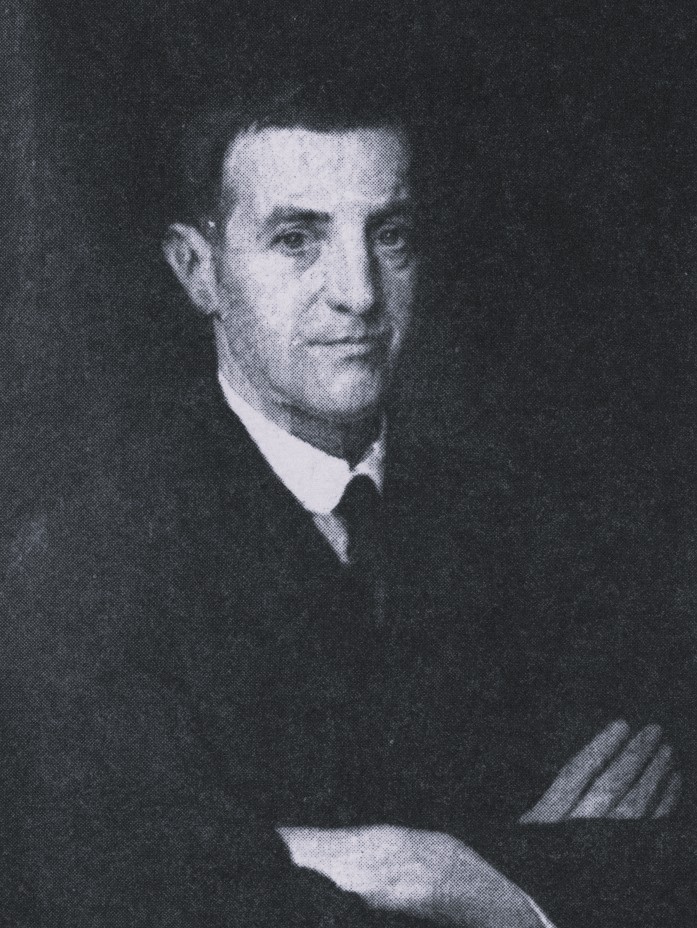
Anna Edwards Barbour (1875-1941) was born in Paterson and lived in America until she married her cousin, Harold Barbour (1874-1938), in 1905. Her sister also married Harold’s brother, so no introductions were required at family events. Anna moved to Lisburn with her new husband and became very involved in philanthropy in her adoptive town.
Anna served on Antrim County Council, the Lisburn Board of Guardians, Lisburn and District Regional Education Committee, and Case Committee of the Council of Social Welfare as well as other social welfare boards all her life. On most councils she sat on, she was the only woman in the room.
Anna Edwards Barbour, 1875-1941 (ILC&LM Collection)
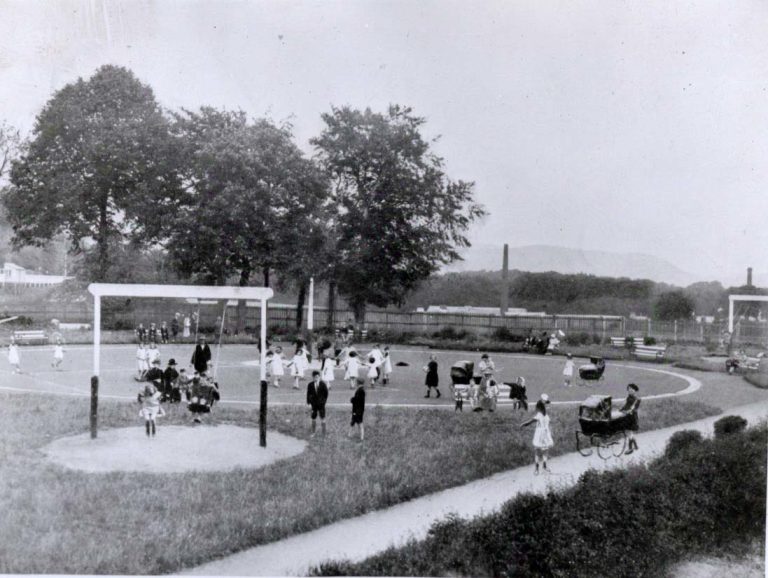
Hilden Playground (ILC&LM Collection)
During the First World War, she gave the War Office a fully fitted Rolls Royce ambulance and was president of the Dunmurry Work Guild and organised 65,000 packages to be sent overseas for soldiers. She also had a part to play in the opening of the Hilden Convalescent Hospital in 1917. For her efforts during the First World War, she was awarded an OBE.
She had a playground built for the children of the Hilden mill workers and then built another in Lisburn a year later. She opened playing fields in Lisburn and dedicated them to the memory of her nephew, John Milne Barbour (1906-1937), who died in a plane crash.
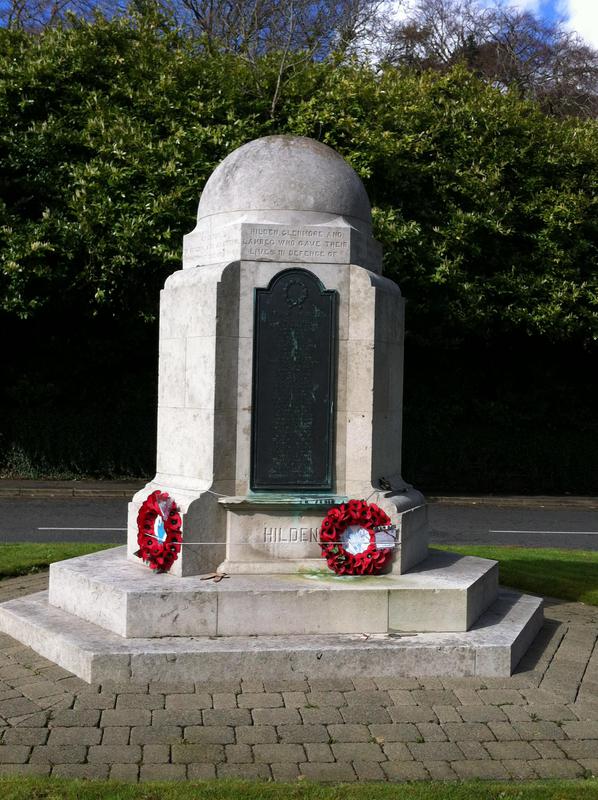
Anna also invested in Hilden beyond the playground, giving generously to housing and health of the workers and residents. She contributed to building modern housing for the mill workers, directed and financed a fully equipped Nursing Society, and even had a house built in the village for the district nurse. She unveiled the Hilden, Glenmore and Lambeg War Memorial in 1921.
Her generosity was felt beyond Lisburn as she gave £20,000 to improve housing in Belfast. That is around £977,000 in today’s money. She also gave regularly to Belfast’s maternity hospital and contributed £10,000 to the building of the Children’s Hospital.
When her husband died, she gave a large donation to Queen’s University Belfast to set up a travelling agriculture scholarship in his memory for which she was awarded an honorary degree.
Her efforts did not just extend to people; she also looked after older work horses at her home in Dunmurry. She believed that such hardworking animals should have a comfortable and restful retirement and invited the USPCA to send horses to her for care.
Anna and Harold had four children – three sons and a daughter. She remained involved in her charitable endeavours until her health failed and she died in 1941. Ten years after her death, a memorial organ was dedicated to her at Dunmurry Presbyterian Church.
Anna Edwards Barbour used her privileged financial situation and influence within her community to the full. She worked hard to improve public amenities and the lives of her neighbours.